

Last reviewed: 16 September 2026
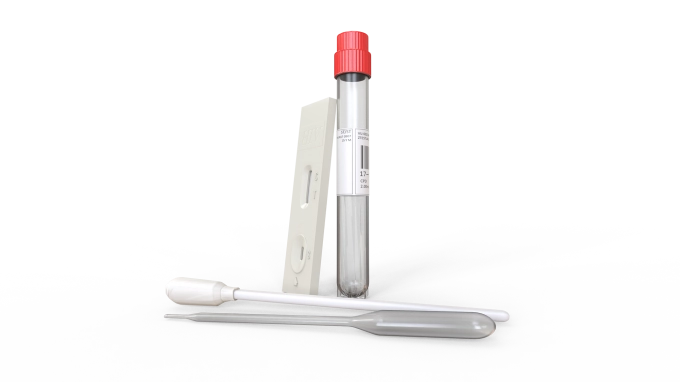
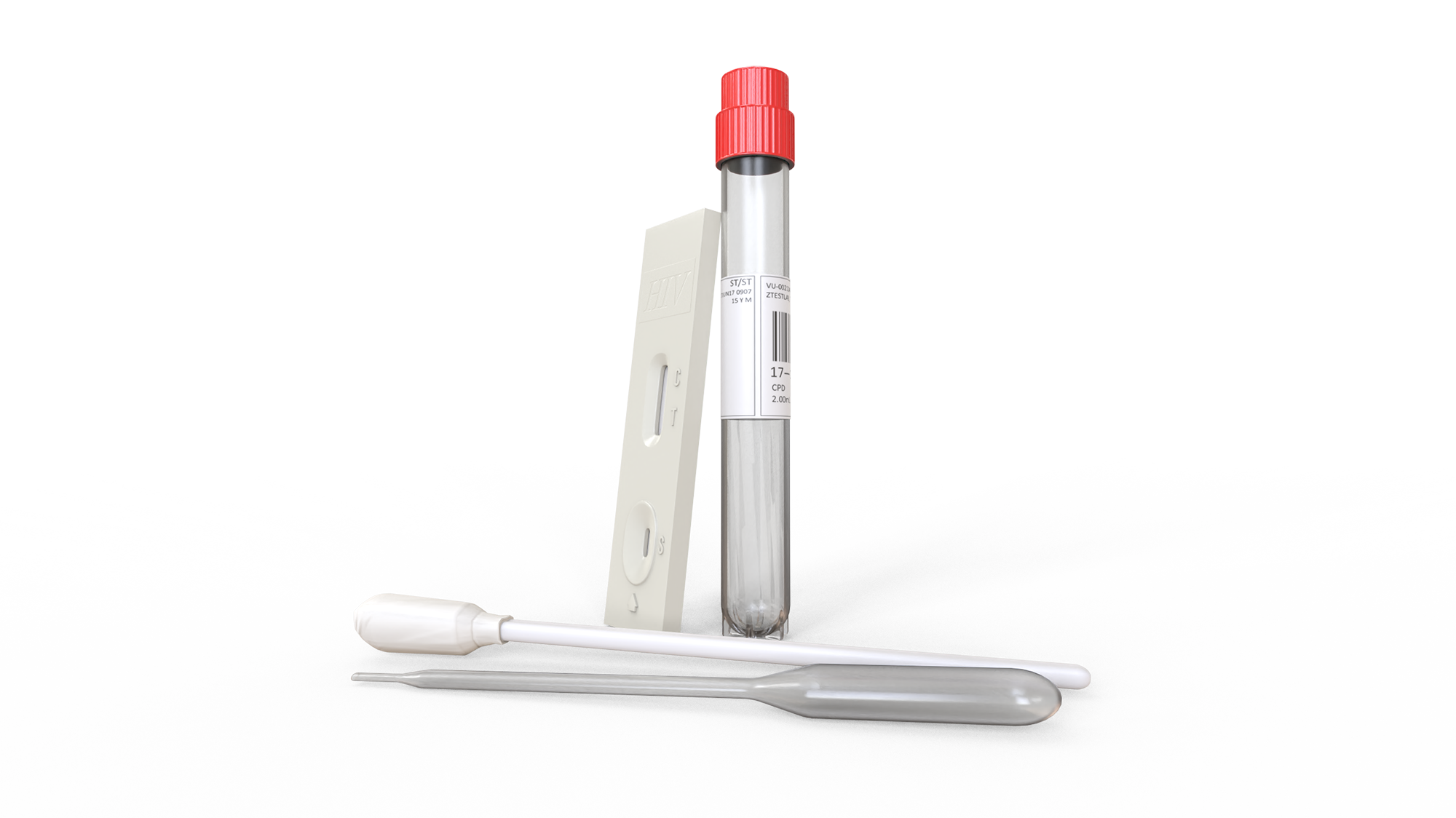
If an HIV self-test gives a reactive result, this does not by itself confirm an HIV diagnosis. Follow-up testing by a trained healthcare provider or testing service is required.
If HIV is confirmed, effective treatment is available. With appropriate medical care and modern antiretroviral therapy (ART), people living with HIV can live long and healthy lives.
After HIV is confirmed, you should be linked to an HIV healthcare provider or specialist service. Current European and international guidance recommends antiretroviral therapy for everyone diagnosed with HIV, regardless of CD4 count, and treatment should generally be started as soon as possible.
Your healthcare team will assess your general health, HIV viral load, immune system and other factors before and during treatment. The exact tests and follow-up schedule depend on your individual circumstances.
HIV is the virus that affects the immune system. AIDS is the most advanced stage of HIV infection, when the immune system has been severely damaged.
With effective HIV treatment, progression to AIDS can usually be prevented. Many people receiving successful treatment never develop AIDS.
HIV is treated with medicines called antiretroviral therapy (ART). ART prevents HIV from making more copies of itself, allowing the immune system to recover and helping to prevent HIV-related illness.
ART does not cure HIV. Even when the virus becomes undetectable in the blood, HIV remains in the body, so treatment needs to be continued as prescribed.
There are different HIV treatment regimens. The most appropriate treatment depends on individual medical circumstances and should be selected together with an HIV healthcare professional.
Viral load is the amount of HIV in the blood. It is one of the main measurements used to monitor how well HIV treatment is working.
Effective ART can reduce the viral load to such a low level that it cannot be detected by a standard laboratory test. This is called having an undetectable viral load.
People who take HIV treatment as prescribed and achieve and maintain an undetectable viral load can protect their health and do not transmit HIV through sex. This is known as Undetectable = Untransmittable (U=U).
CD4 cells are a type of white blood cell that play an important role in the immune system. HIV can damage these cells, so a CD4 count can provide information about immune function.
CD4 counts may be checked when HIV is diagnosed and during care. How often they need to be monitored depends on factors such as the CD4 count, viral load, treatment response and overall health.
For many people, HIV treatment becomes part of routine long-term healthcare. People who receive effective treatment can work, exercise, have relationships, travel and participate in everyday life just like people without HIV.
Regular medical care remains important. This can include monitoring HIV treatment, vaccinations, screening for other health conditions and discussing sexual and reproductive health.
An HIV diagnosis does not prevent someone from having relationships or a fulfilling sex life. People who achieve and maintain an undetectable viral load do not transmit HIV through sex.
U=U applies to HIV transmission through sex. It does not prevent other sexually transmitted infections, so other sexual health measures may still be appropriate.
HIV care involves more than controlling the virus. Regular healthcare can also help identify and manage other health conditions that may become more important over time.
Taking HIV medication as prescribed, attending recommended follow-up appointments, avoiding smoking, maintaining a balanced diet and staying physically active can all support long-term health.
Living with HIV can also affect emotional wellbeing. If you are finding a diagnosis difficult to process, support may be available through your HIV clinic, healthcare provider, counsellor or local HIV organisation.
HIV has changed considerably as a medical condition. Effective treatment means that HIV can now be managed as a long-term health condition, and people receiving successful treatment can live long and healthy lives.
If you have received a reactive HIV self-test result but have not yet had confirmatory testing, contact a healthcare provider or HIV testing service for follow-up.