
Good timing saves lives
If you are sexually active, HIV testing may be appropriate depending on your circumstances and possible exposure to HIV. Some people may benefit from regular testing, while others may need to test after a specific possible exposure.
It is particularly important to consider testing after sex without effective protection when HIV exposure may have been possible, after sharing needles, syringes or other injection equipment, or after another exposure involving blood.
But how soon can HIV be detected and when should you test? This depends on the type of HIV test used. The time between a possible exposure and when a test can reliably detect HIV is known as the window period.
According to the CDC, antibody tests can usually detect HIV 23 to 90 days after exposure. Rapid antigen/antibody tests using finger-stick blood can usually detect HIV 18 to 90 days after exposure, while laboratory antigen/antibody tests using blood from a vein can usually detect HIV 18 to 45 days after exposure.
A non-reactive result during the window period does not completely rule out HIV infection. If you test after a recent possible exposure, repeat testing after the applicable window period may be necessary.
If the possible exposure occurred within the last 72 hours, seek medical advice urgently rather than waiting for a test result. Post-exposure prophylaxis (PEP) may be appropriate and must be started within 72 hours of exposure.
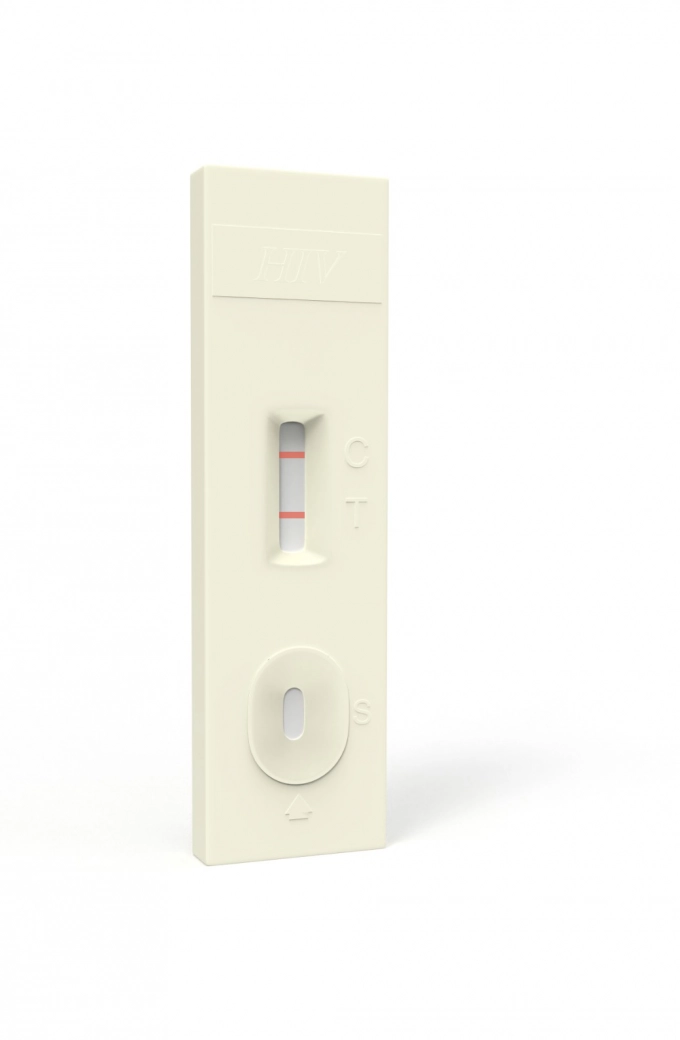
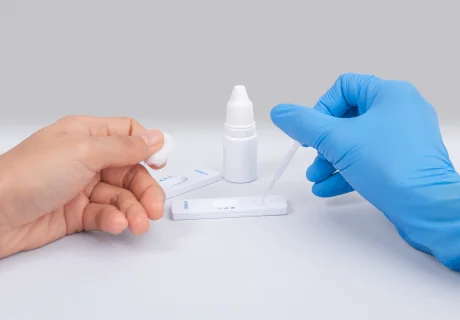
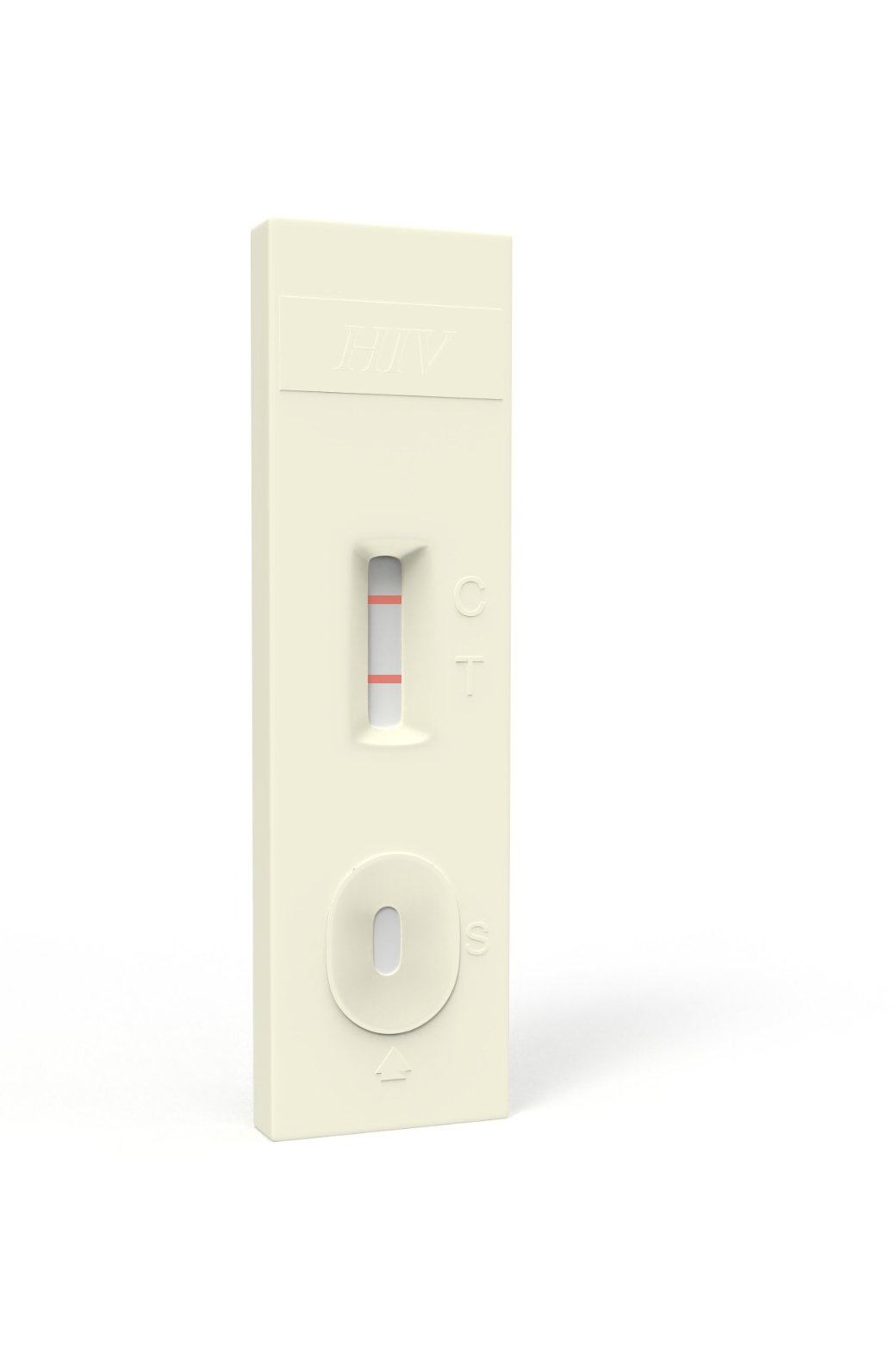
If you want to test for HIV, compare the available test options and always follow the Instructions for Use supplied with the specific test.
View HIV Tests