
Know your status, understand test timing and use appropriate HIV prevention
HIV testing is an important part of looking after your sexual health, particularly if you may have been exposed to HIV or have an ongoing possibility of exposure.
Regular testing can help you stay informed about your HIV status and, when necessary, access treatment and care earlier. How often testing is appropriate depends on your circumstances, possible exposure and the type of HIV test used.
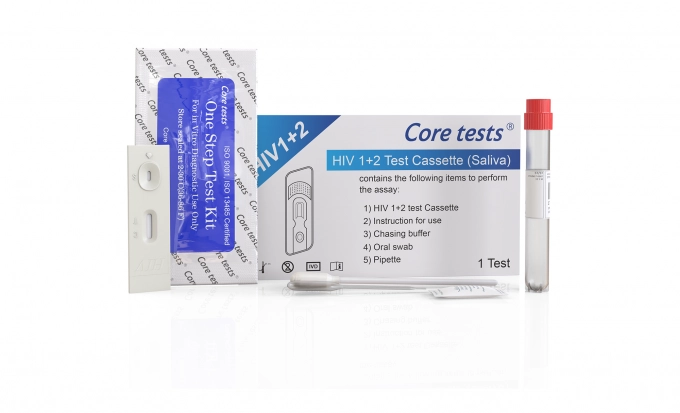
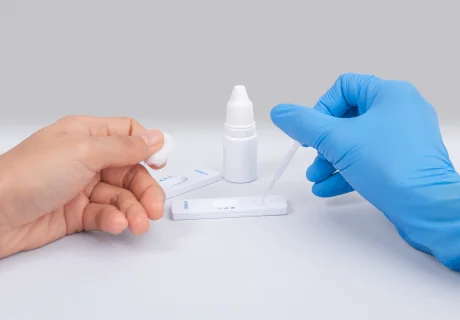
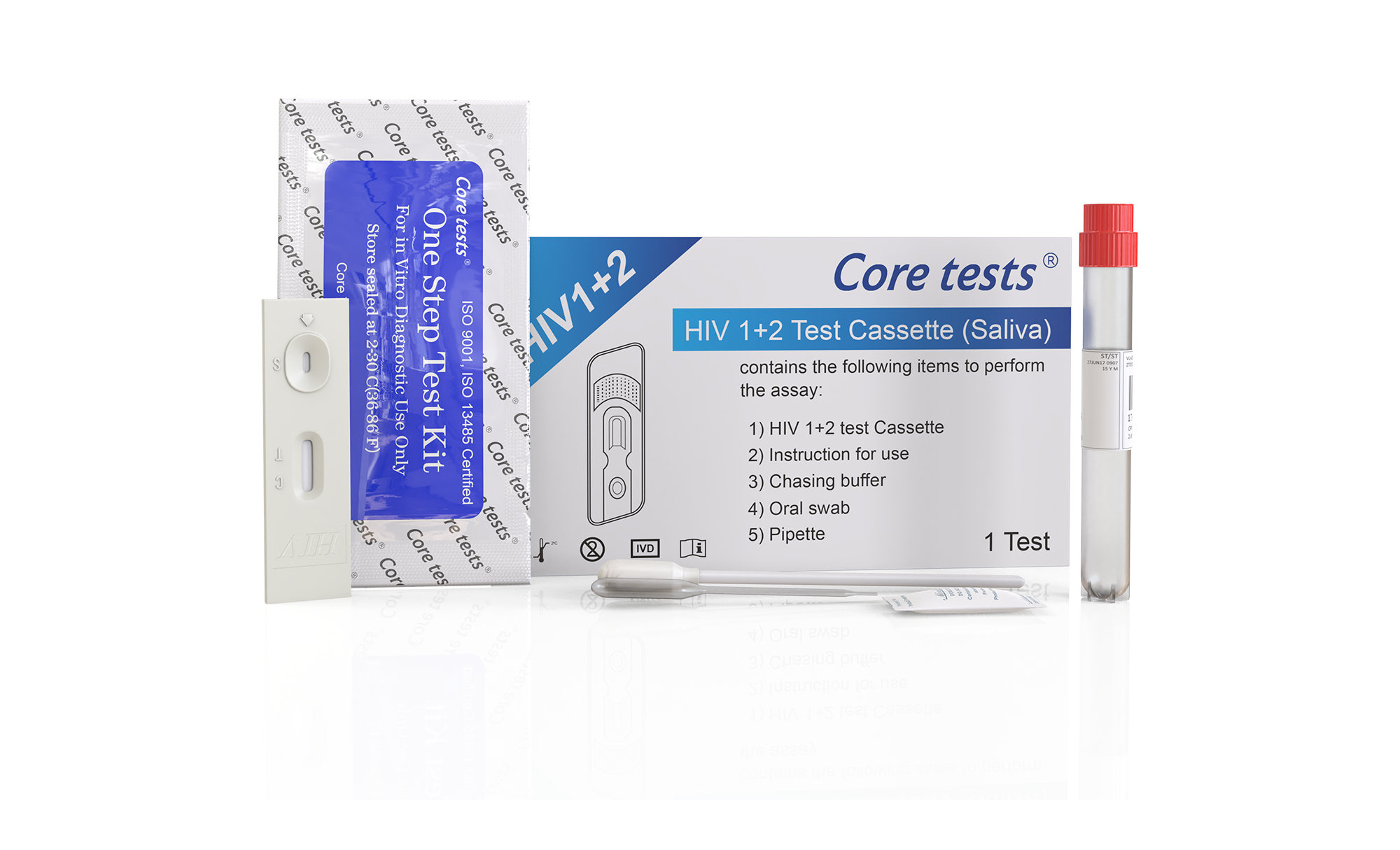
An at-home HIV self-test can provide a private and convenient way to test. However, a self-test result should always be interpreted in relation to the test's window period. No HIV test can detect infection immediately after exposure.
According to the CDC, antibody tests can usually detect HIV 23 to 90 days after exposure. Rapid antigen/antibody tests using finger-stick blood can usually detect HIV 18 to 90 days after exposure, while laboratory antigen/antibody tests using blood from a vein can usually detect HIV 18 to 45 days after exposure.
A non-reactive result during the applicable window period does not completely rule out HIV infection. If you test following a recent possible exposure, repeat testing after the relevant window period may therefore be necessary.
Testing yourself or testing together with a partner can be useful when discussing sexual health, but an HIV test does not replace HIV prevention. A negative self-test should not be used on its own as a reason to stop using prevention measures after a recent or possible exposure.
HIV prevention options include condoms and, where appropriate, pre-exposure prophylaxis (PrEP). The CDC provides information about PrEP for people without HIV who may be exposed to HIV through sex or injection drug use.
The World Health Organization (WHO) also recognises HIV testing, condoms and PrEP as important HIV prevention options.
A reactive HIV self-test does not by itself confirm an HIV diagnosis and requires appropriate follow-up testing by a trained provider.
If a possible exposure occurred within the last 72 hours, seek medical advice urgently rather than waiting for a self-test result. Post-exposure prophylaxis (PEP) may be appropriate and needs to be started within 72 hours of exposure.
View our available HIV tests and choose the option that best fits your needs.
View HIV Tests