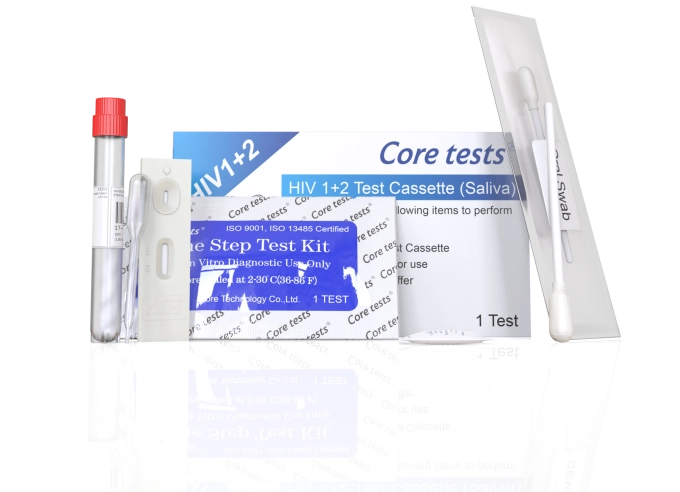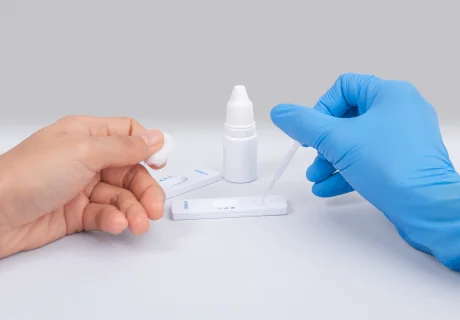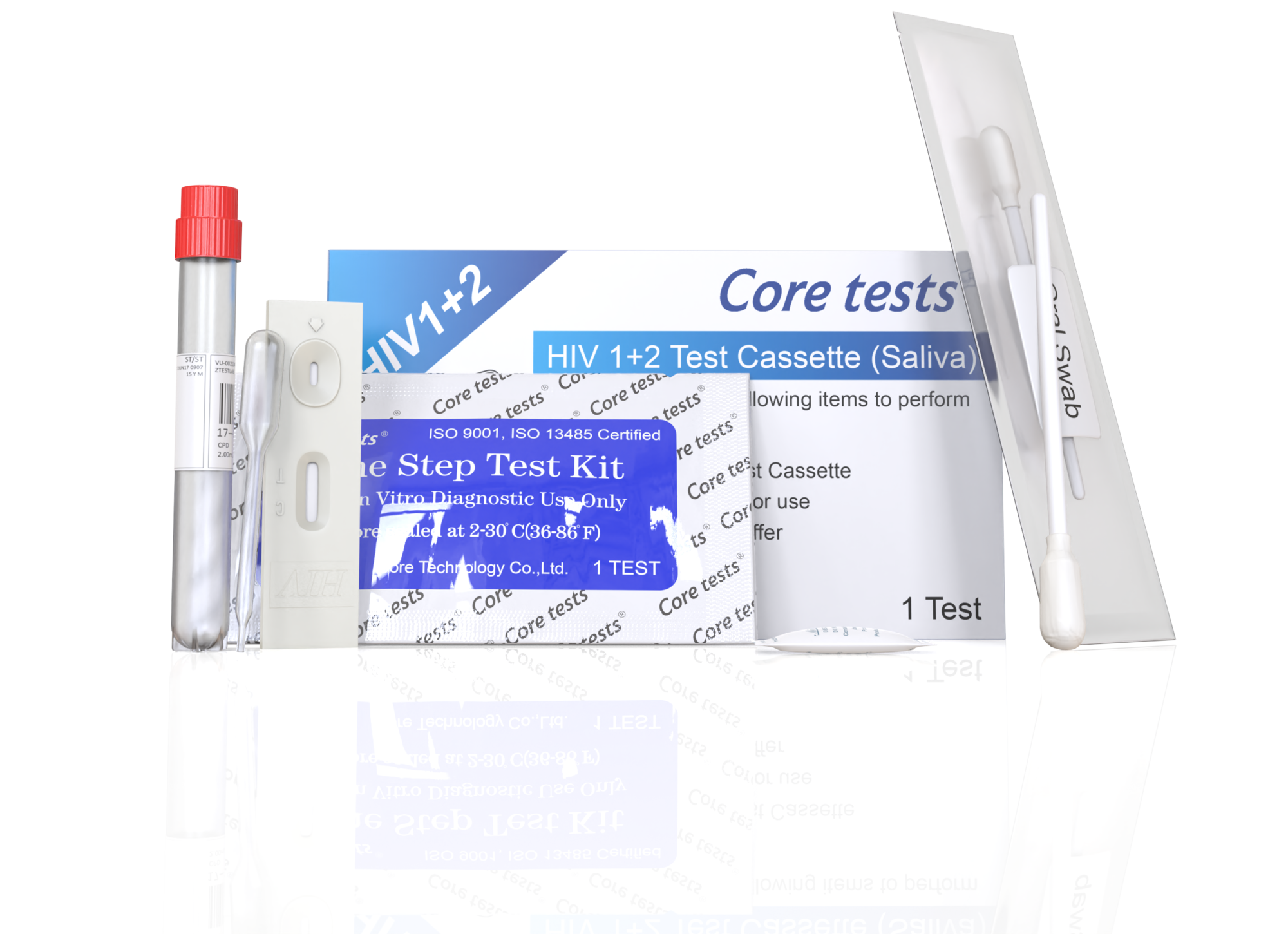

While HIV can affect anyone, the likelihood of HIV transmission depends on the type of exposure, whether HIV is present and whether effective prevention or treatment is being used.
HIV can be transmitted through certain body fluids, including blood, semen, vaginal and rectal fluids and breast milk. Transmission can occur through sex without effective protection, sharing injecting equipment and other exposures involving infected blood.
Because HIV may not cause noticeable symptoms, particularly during the earlier stages of infection, someone can have HIV without knowing it. Testing is the only way to know your HIV status.
Additionally, HIV treatment has developed significantly. People diagnosed with HIV who receive effective treatment can live long and healthy lives. People who achieve and maintain an undetectable viral load do not sexually transmit HIV.
If you think you may have been exposed to HIV, testing may be appropriate. The right time to test depends on the type of HIV test and its window period.
If a possible exposure occurred within the last 72 hours, seek medical advice as soon as possible. Post-exposure prophylaxis (PEP) may be appropriate and needs to be started within 72 hours of exposure.
Do your part in caring for your sexual health by testing when appropriate and knowing your HIV status.
View HIV TestsAn HIV antigen (also known as the p24 antigen) is a protein the virus introduces into the immune system of the infected person, triggering it to start making antibodies.
This structural protein makes up most of the HIV viral core, or 'capsid,' and its present in high levels in the blood serum of recently infected individuals during the short period between infection and seroconversion.
Certain tests can screen for HIV antigens and detect primary infection much more reliably than only tests that screen for antibodies.
An HIV antigen/antibody test (also known as a 4th generation HIV test) looks for HIV antibodies as well as the p24 antigen in the blood.
The p24 is a structural protein that makes up most of the HIV viral core, or 'capsid.' These proteins are present in high levels in the blood serum of recently infected individuals during the short period between infection and seroconversion. They trigger an immune response, which starts the production of antibodies.
Like most other tests, the antigen/antibody test also screens for antibodies. However, as antibody levels take much longer to become high enough for detection, the antigen screening component proves itself significantly more useful in diagnosing primary HIV infection.
While there are some rapid HIV antigen/antibody tests that use blood drawn from a finger, lab-based antigen/antibody tests, which take blood from a vein, will detect the presence of antigens in the blood earlier with more reliability.
Need a rapid at-home HIV antibody test? Order it from our Webshop and receive it within 24h in most European countries.