

Last reviewed: 16 September 2026
HIV testing is an important part of HIV prevention. Testing itself does not prevent HIV infection, but knowing your HIV status can help you make informed decisions about prevention, treatment and care.
Because HIV can be present without noticeable symptoms, testing is the only way to know your HIV status. Earlier diagnosis also allows people with HIV to access treatment sooner.
Preventative HIV testing means testing as part of an ongoing approach to sexual health and HIV prevention, rather than waiting for symptoms to appear.
Testing can be particularly important after a possible exposure, when starting or using HIV prevention such as pre-exposure prophylaxis (PrEP), or when someone has ongoing circumstances that may increase the chance of acquiring HIV.
The appropriate testing frequency depends on individual circumstances, recent exposures, use of PrEP or PEP, and local medical guidance.
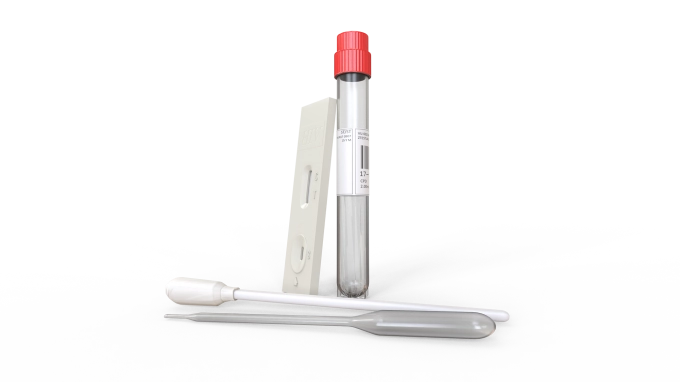
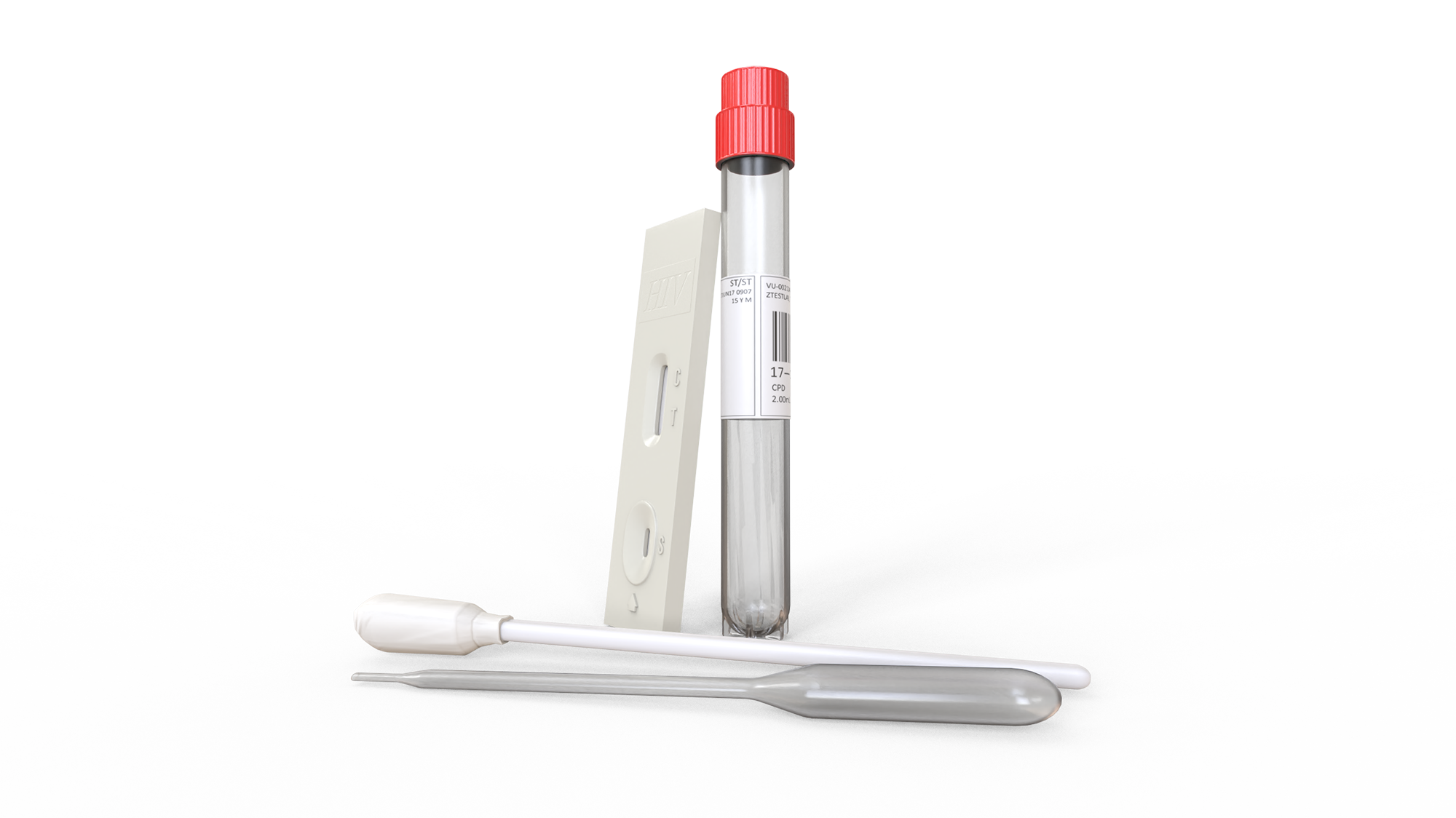
Different types of HIV tests are available, including laboratory blood tests, rapid tests and HIV self-tests. Some tests detect HIV antibodies, while others detect both HIV antigen and antibodies.
HIV self-tests can provide a private and convenient testing option. Depending on the product, they may use oral fluid or finger-prick blood.
The exact intended use, sample type, window period and result interpretation vary between tests. Always follow the manufacturer's Instructions for Use for the specific test you are using.
Testing should be based on the timing and type of a possible exposure rather than on symptoms alone. Every HIV test has a window period, during which an infection may not yet be detectable.
If you test during the window period and receive a non-reactive result, repeat testing may be necessary after the applicable window period for that test.
For people with ongoing HIV-related risk, repeat testing may be recommended. European guidance suggests that people at ongoing risk may benefit from testing at least annually and, depending on individual circumstances, sometimes more frequently.
For more information about test timing, see our When to test for HIV? page.
Knowing your HIV status can help you choose the most appropriate prevention options. A non-reactive result does not protect against future HIV exposure, so prevention remains important after testing.
HIV prevention options can include:
PrEP is medicine used by people without HIV to reduce the chance of acquiring HIV through sex or injection drug use. It should be used under medical supervision. European HIV prevention standards recognise PrEP as an important HIV prevention option.
PEP is an emergency prevention option used after a possible HIV exposure. It must be started as soon as possible and no later than 72 hours after the exposure.
A reactive HIV self-test does not by itself confirm an HIV diagnosis. Follow-up testing by a trained healthcare provider or testing service is required.
If HIV is confirmed, effective antiretroviral treatment should be started promptly. Modern treatment can suppress HIV and protect long-term health.
HIV testing works best as one part of a broader approach to sexual health. How often you should test depends on your circumstances and the recommendations that apply where you live.
If you are unsure when to test, which type of test to use or whether PrEP or PEP may be appropriate, contact a healthcare professional or sexual health service.